Thursday, June 27, 2024

Understanding the Difference Between a Republic and a Democracy


I used to think a republic and a democracy were the same thing—kind of like thinking a crocodile and an alligator are identical until one of them ruins your afternoon in a slightly different way.

Then someone at a barbecue brought it up, and suddenly we had three guys arguing, one guy Googling, and one guy just there for the potato salad yelling, “It’s both!” like he just solved world peace.

Here’s the deal, explained the way it finally made sense to me:

A democracy is basically everyone voting directly on everything. It’s like a group chat where every single person has to agree on where to eat. Sounds empowering… until you’ve spent 45 minutes deciding between pizza and tacos and somehow end up with nobody happy and someone suggesting sushi just to cause chaos.

A republic, on the other hand, is when you vote for people to go make those decisions for you. It’s like appointing one friend to order for the table because last time the group tried to decide together, someone cried and another person stopped speaking to everyone for a week.

In theory, both systems are trying to answer the same question: “How do we make decisions without flipping a table?”

In a straight-up democracy, the majority rules directly. Which sounds great—unless you’re in the minority. Then it feels a little like being the only person who wanted pizza while everyone else votes for kale wraps and calls it “progress.”

In a republic, you’re choosing representatives to (hopefully) make thoughtful decisions on your behalf. Keyword: hopefully. Because sometimes it feels like you sent someone to order steak and they came back with tofu and a speech about why you should be grateful.

The funny part is, in real life, most systems are kind of a mix. It’s like ordering a combo meal—you get a little democracy, a little republic, and a side of confusion.

And no matter which one you’re talking about, the same universal truth applies:
people will argue about it like it’s a sport.

You’ll hear things like, “We’re a republic, not a democracy!”
Then someone else goes, “Actually—”
And suddenly you’re watching a debate that started with definitions and somehow ends with someone questioning the entire education system.

Meanwhile, the rest of us are just trying to figure out why voting always feels like choosing between two sandwiches you didn’t order but are now emotionally invested in.

At the end of the day, the difference isn’t as mysterious as it sounds:

A democracy is everyone decides.
A republic is you pick people to decide.

And both rely on one critical thing: people actually paying attention… which, let’s be honest, is where things get interesting.

Because whether it’s a republic or a democracy, if nobody’s paying attention, it slowly turns into a system best described as:
“Wait… who picked this?”

Tuesday, June 25, 2024

Exploring Juneau, Alaska: The Role of Cruise Ship Tourism in Boosting the Economy


I went to Juneau, Alaska expecting a nice trip. What I got instead was a full-blown adventure where even the weather felt like it had a personality—and honestly, I think we bonded.

First thing you notice: you don’t just arrive in Juneau. You make an entrance. Boat, plane—either way you show up like you’ve got a backstory. The mountains are right there, massive and dramatic, like they’ve been waiting all day for you to show up so they can say, “Alright, impress us.”

Challenge accepted.

The air is crisp, the kind that makes you feel healthier just by breathing it. I took one deep inhale and immediately felt like I should apologize to my lungs for everything I’ve put them through over the years. Juneau air doesn’t play around—it’s premium oxygen.

And yeah, it rains—but in a friendly way. Not “cancel your plans” rain. More like, “Hey, let’s keep things fresh.” It’s like nature’s version of a light misting system at a fancy grocery store, except you’re the produce. Honestly, it keeps everything looking ridiculously green, like the trees are showing off.

Naturally, I decided to go hiking, because that’s what you do when you suddenly believe you’re an outdoors person.

The trails? Incredible. Every turn looks like a postcard. Waterfalls, forests, views that make you stop and go, “Okay, wow… I get it now.” I started the hike feeling like a nature documentary host. By the middle, I was negotiating with my legs. By the top? Pure victory. I didn’t just hike—I conquered. Was I passed by locals moving twice my speed? Sure. But I choose to believe they were professionally trained mountain ninjas.

Wildlife in Juneau is just casually living its best life around you. You’ll hear about bears like they’re minor celebrities in town. “Oh yeah, one wandered by earlier.” I didn’t see one up close, but I did walk around with the confidence of someone who might see one, which is basically the same thing. Every snapping twig turned me into a very alert, very respectful guest in their home.

Then there are the glaciers.

Pictures don’t do it justice. Videos don’t do it justice. Standing there in front of one feels like you accidentally walked into a screensaver—but in real life. It’s quiet, it’s massive, and it makes you feel like you should whisper even if you’re alone. I just stood there grinning like an idiot, thinking, “This exists? Just out here?”

Downtown Juneau has this awesome, cozy vibe. Bright buildings, friendly people, little shops that somehow convince you that yes, you do need that souvenir. And the food? Unreal. Fresh salmon that tastes like it was swimming five minutes ago and decided, “You know what, I’m ready for greatness.”

By the end of the trip, I felt like a slightly upgraded version of myself. More outdoorsy. More appreciative. Slightly better at walking uphill without questioning all my life choices.

Juneau has this way of making everything feel exciting—the air, the trails, the possibility that something incredible is just around the corner. It’s the kind of place where even doing nothing feels like you’re doing something amazing.

Would I go back?

In a heartbeat.

Next time, I’m bringing even more enthusiasm… and maybe just enough confidence to keep up with Linda, the mountain ninja.

Wednesday, June 19, 2024

Discovering Mendenhall Glacier: A Journey into Alaska’s Frozen Wonderland


Rafting near the Mendenhall Glacier is the kind of experience that makes you feel like you accidentally signed up to be the main character in an adventure movie… except your role is “guy trying not to scream too loudly in front of strangers.”

It starts calmly. Too calmly.

You’re standing there, geared up in what can only be described as a fashionable marshmallow suit, holding a paddle like you’ve known what you’re doing your whole life. The guide gives instructions—important, probably life-saving instructions—and everyone nods like, “Yes, of course, paddling makes sense.” Meanwhile, I’m still figuring out which end of the paddle is the business end.

Then you see it—the glacier.

It’s massive. It’s glowing blue like it’s powered by secrets. It looks like something that’s been sitting there for thousands of years just waiting for you to float by so it can go, “Watch this.” And suddenly, you feel honored. And tiny. And slightly like a snack.

You get into the raft, and for a brief moment, everything is peaceful. The water is smooth, the air is crisp, and you think, “Wow, this is serene.”

Then the river politely says, “Alright, let’s add some spice.”

The raft hits the first bit of movement, and everyone instantly becomes a team. A very enthusiastic, slightly uncoordinated team. The guide is shouting commands like a drill sergeant with a sense of humor—“Paddle forward!”—and we’re all paddling like we’re auditioning for a survival show.

Water splashes up. It’s cold. Not “refreshing dip” cold. This is “I just discovered new layers of my soul” cold. You laugh, because what else are you going to do? Crying would freeze mid-air.

And the best part? You’re surrounded by ridiculous beauty the entire time.

Snow-dusted peaks. Forests so green they look fake. Ice floating by like nature’s version of luxury yachts. At one point, I was paddling, laughing, slightly soaked, and thinking, “This is either the best idea I’ve ever had or the most scenic mistake of my life.”

Either way, worth it.

There’s a moment during the raft where everything just clicks. The paddling gets smoother, the team starts to sync up, and you realize—you’re actually doing it. You’re navigating icy water next to a glacier like some kind of rugged explorer… who may or may not have yelled “WHOA” a little too loudly five minutes ago.

By the end, you’re soaked, energized, and grinning like you just got away with something.

Because you kind of did.

You floated next to an ancient glacier. You laughed in the face of freezing water. You paddled like a champion (or at least like someone trying very hard). And somehow, you came out of it feeling like you leveled up as a human being.

Would I do it again?

Absolutely.

Next time, I’m bringing two things: better paddle confidence… and a victory speech for when I inevitably declare myself “King of the Glacier” halfway through.

Sunday, June 16, 2024

The Sky’s the Limit: Navigating the World of Commercial Flying


In today's interconnected world, commercial flying has become an integral part of our lives. It bridges distances, connects cultures, and enables businesses to thrive on a global scale. While the experience of flying can be both exhilarating and daunting, understanding the intricacies of commercial aviation can make your journey smoother and more enjoyable. Whether you’re a seasoned traveler or a first-time flyer, this guide will take you through the essential aspects of commercial flying, offering tips and insights to enhance your next airborne adventure.


                The Evolution of Commercial Aviation

The history of commercial aviation is a testament to human ingenuity and technological advancement. The first commercial flight took off on January 1, 1914, carrying a single passenger across Tampa Bay, Florida. Fast forward to the 21st century, and the aviation industry now boasts fleets of advanced aircraft capable of transporting hundreds of passengers across continents in mere hours. Major milestones include the introduction of jet engines, the development of wide-body aircraft like the Boeing 747, and the advent of budget airlines, which have made air travel accessible to millions.


                 Booking Your Flight

The journey begins long before you step foot on an aircraft. Booking your flight involves several key considerations:


1. Choosing the Right Airline: Factors such as price, flight duration, layovers, and airline reputation play a crucial role in your decision. Websites like Kayak, Skyscanner, and Google Flights can help you compare options.


2.  Selecting Your Seat: Comfort can significantly impact your flying experience. Use tools like SeatGuru to find the best seats on your chosen aircraft, whether you prefer extra legroom, a window view, or proximity to the restrooms.


3.  Understanding Fare Classes: Airlines offer various fare classes, from economy to first class, each with different levels of comfort, service, and flexibility. Be sure to read the fine print regarding baggage allowances and change policies.


               Preparing for the Journey

Once your flight is booked, preparation is key to a hassle-free experience:


1.  Packing Smart: Adhere to airline baggage policies to avoid extra fees. Pack essentials in your carry-on, including travel documents, medications, and a change of clothes.


2.  Navigating Security: Familiarize yourself with TSA guidelines to expedite the security screening process. Wear easily removable shoes and avoid packing prohibited items.


3.  Arriving at the Airport: Arrive at least two hours before domestic flights and three hours before international flights. This allows ample time for check-in, security, and any unforeseen delays.


             In-Flight Experience

The in-flight experience can vary widely depending on the airline, aircraft, and class of service:


1.  Comfort and Amenities: Modern aircraft offer a range of amenities, from in-flight entertainment and Wi-Fi to gourmet meals and lie-flat seats in premium classes. Bring a travel pillow, noise-canceling headphones, and personal entertainment to enhance your comfort.


2.  Dealing with Jet Lag: Long flights across multiple time zones can disrupt your body’s internal clock. Stay hydrated, avoid caffeine and alcohol, and try to adjust to the new time zone before you arrive.


3.  Health and Safety: Practice good hygiene by washing your hands regularly and using hand sanitizer. Stand up and move around periodically to reduce the risk of deep vein thrombosis (DVT).


                 Arriving at Your Destination

Upon arrival, a few final steps will ensure a smooth transition to your destination:


1.  Customs and Immigration: Be prepared with necessary documentation, including passports, visas, and customs declaration forms. Follow local protocols and answer questions truthfully.


2.  Baggage Claim: Keep your baggage claim ticket handy and identify your luggage promptly. Report any missing or damaged items to the airline immediately.


3. Ground Transportation: Plan your transportation from the airport to your final destination in advance. Options may include taxis, ride-sharing services, airport shuttles, or public transit.


                   Conclusion

Commercial flying has revolutionized the way we travel, making the world more accessible than ever before. By understanding the nuances of air travel and preparing adequately, you can transform your flying experience from a mere necessity into an enjoyable part of your journey. So pack your bags, fasten your seatbelt, and get ready to explore the world—because the sky’s the limit!


Commercial flying, with all its complexities and conveniences, opens up a world of possibilities. Whether you're flying for business, leisure, or adventure, embracing the experience with the right knowledge and preparation ensures that your journey is as smooth as the clouds you’ll soar through. Bon voyage!

Saturday, June 15, 2024

The Wild Wild West: Hardships and Luxuries


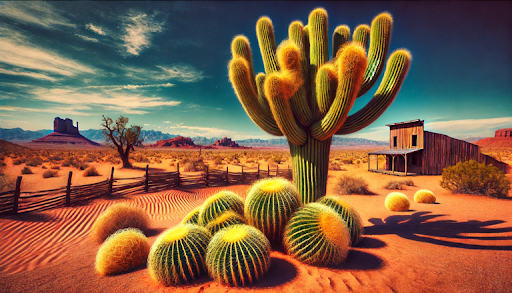
The Wild Wild West, a term that conjures images of vast open plains, rugged cowboys, and the tantalizing promise of new beginnings. While it remains romanticized in popular culture, life in the American frontier during the 19th century was a mix of brutal hardships and unexpected luxuries.


                    Hardships of the Wild West


        1. Harsh Living Conditions

The settlers faced extreme weather conditions, from scorching summers to frigid winters. Homes were often rudimentary, constructed from logs or sod, offering little protection against the elements. Disease was rampant, with limited medical knowledge and few doctors available.


        2. Lawlessness and Danger

The Wild West was notorious for its lawlessness. With vast stretches of land and sparse populations, enforcing the law was a challenge. Bandits, outlaws, and conflicts with Native American tribes posed constant threats. Famous figures like Jesse James and Billy the Kid became legends, embodying the era's dangerous allure.


        3. Isolation and Loneliness

Many settlers were isolated, living miles from the nearest neighbor or town. This isolation could lead to profound loneliness and mental health struggles. The vast distances also meant that communication with loved ones back east was infrequent and slow, often taking months for letters to arrive.


          4. Hard Labor

The daily life of a frontiersman or woman was grueling. Farming the arid land, tending to livestock, and maintaining homesteads required relentless physical labor. The gold rush brought its own set of challenges, with prospectors enduring back-breaking work and often finding little to no reward.


        5. Limited Resources

Access to basic necessities was limited. Food supplies were often scarce, and settlers had to rely on hunting, farming, and trading with Native Americans or other settlers. Water was a precious commodity, especially in the arid regions, leading to conflicts over water rights.


                 Luxuries of the Wild West


            1. Freedom and Opportunity

For many, the Wild West represented the ultimate freedom. The Homestead Act of 1862 offered 160 acres of public land to settlers for a nominal fee, providing an unprecedented opportunity to own land and build a new life. This sense of possibility attracted many immigrants and Americans from crowded eastern cities.


            2. Natural Beauty

The Wild West was home to breathtaking landscapes, from the towering Rocky Mountains to the expansive Great Plains. This natural beauty offered a stark contrast to the industrialized cities of the East, providing a sense of peace and inspiration to those who ventured west.


            3. Innovation and Ingenuity

Necessity drove innovation in the Wild West. Settlers developed new farming techniques, irrigation methods, and transportation solutions. The completion of the Transcontinental Railroad in 1869 revolutionized travel and trade, connecting the East and West like never before.


            4. Cultural Exchange

Despite conflicts, the Wild West was a melting pot of cultures. Native American tribes, Mexican settlers, African American freedmen, Chinese laborers, and European immigrants all contributed to the cultural tapestry. This exchange enriched the lives of many, introducing new foods, traditions, and ways of life.


            5. Community and Resilience

Frontier life fostered a strong sense of community and mutual support. Settlers often banded together to build homes, harvest crops, and protect each other from threats. This spirit of cooperation and resilience became a defining characteristic of the Wild West.


                         Conclusion


The Wild Wild West was a land of stark contrasts. Its hardships tested the limits of human endurance and resilience, while its luxuries offered freedom, beauty, and opportunity. Understanding this duality provides a deeper appreciation of the people who lived through this transformative period in American history. They were pioneers in every sense, carving out lives in a land that was as unforgiving as it was inspiring.

The Art of Whiskey Making: From Grass to Glass


Whiskey, a beloved spirit enjoyed by many around the world, boasts a rich history and a meticulous production process. Crafting this golden elixir involves a blend of science, art, and tradition. Let’s delve into the fascinating journey of whiskey making, from grain to glass.


            1. The Ingredients


The primary ingredients in whiskey are water, grains, and yeast. The type and quality of these ingredients significantly influence the final product's flavor and character.


  Grains: The choice of grains (barley, corn, rye, wheat) determines the whiskey's type. For instance, bourbon is made primarily from corn, while single malt Scotch relies on malted barley.


  Water: Water is crucial throughout the process, from mashing to dilution before bottling. The purity and mineral content of the water can impact the whiskey's taste.


   Yeast: Yeast is responsible for fermentation, converting sugars from the grains into alcohol and contributing to the whiskey’s flavor profile.


                 2. Malting


Malting is the first step for whiskey made from barley. Barley grains are soaked in water to germinate, activating enzymes that convert starches into fermentable sugars. After germination, the barley is dried in kilns. In Scotch production, peat smoke is often used to dry the barley, imparting a distinctive smoky flavor.


                 3. Mashing


The dried, malted barley (or other grains) is ground into a coarse flour called grist. The grist is mixed with hot water in a large vessel known as a mash tun. This process extracts fermentable sugars from the grains, creating a sugary liquid called wort.


                 4. Fermentation


The wort is transferred to fermentation tanks, where yeast is added. The yeast ferments the sugars, producing alcohol and a variety of flavor compounds. This stage usually lasts several days and results in a liquid called "wash," which has a low alcohol content (similar to beer).


                 5. Distillation


Distillation involves heating the wash in copper stills to separate alcohol from water and impurities. The wash is typically distilled twice (though some whiskeys undergo triple distillation).


   First Distillation: The wash is heated in a pot still, producing a low-alcohol liquid called "low wines."


    Second Distillation: The low wines are distilled again in a spirit still. The distillate is divided into three parts: the foreshots (head), the heart (middle), and the feints (tail). Only the heart, which contains the best flavors, is collected for maturation.


             6. Maturation


The distilled spirit is aged in oak barrels, where it acquires color, flavor, and complexity. The type of wood, previous contents of the barrel, and the length of aging all influence the final product.


   Barrel Types: American white oak barrels are commonly used, often previously holding bourbon. European oak barrels, sometimes seasoned with sherry, are also popular, especially for Scotch.


   Aging Time: Whiskey must age for at least three years to be called whiskey in many regions. Some premium whiskeys age for decades.


                 7. Bottling


After maturation, the whiskey is typically diluted with water to the desired bottling strength. Some whiskeys are chill-filtered to remove cloudiness, while others are bottled at cask strength for a more robust flavor.


                8. Enjoying the Final Product


The result of this intricate process is a spirit with a wide array of flavors, from fruity and floral to smoky and spicy. Whether sipped neat, on the rocks, or in a cocktail, whiskey offers a sensory experience like no other.


                Conclusion


The art of whiskey making is a blend of tradition, science, and craftsmanship. Each step, from selecting the grains to aging in oak barrels, contributes to the unique character of the final product. So, the next time you enjoy a glass of whiskey, you’ll appreciate the journey it has taken to reach you.


Embrace the complexity and history of whiskey, and you’ll find even more pleasure in each sip. Cheers to the artisans who make this extraordinary spirit possible!

Navigating the Airport: A Step-by-Step Guide


Traveling can be both exciting and stressful, especially when it involves navigating through an airport. Whether you’re a seasoned traveler or embarking on your first flight, knowing what to do at an airport can make your journey smoother and more enjoyable. Here’s a comprehensive guide to help you through the process.


            1.  Before You Arrive

-  Check-In Online: Many airlines offer online check-in 24 hours before your flight. This can save you time at the airport and allow you to choose your preferred seat.

-  Prepare Your Documents: Ensure you have your passport, boarding pass, and any necessary visas or travel documents. It’s also a good idea to have a printed copy in case your phone dies.

-  Pack Smart: Familiarize yourself with the airline's baggage policies. Pack your carry-on with essential items and ensure your checked baggage adheres to size and weight restrictions.


             2.  Arriving at the Airport

-  Timing is Key: Arrive at least 2 hours before domestic flights and 3 hours before international flights. This allows ample time for check-in, security, and unforeseen delays.

-  Transportation: Plan your transportation to the airport in advance. Whether it's a car, taxi, public transit, or ride-sharing service, ensure you account for potential traffic or delays.


                3. Check-In and Baggage Drop

-  Find Your Airline’s Counter: Upon arrival, locate your airline’s check-in counter. If you haven’t checked in online, do so here.

-  Baggage Drop: If you have checked luggage, proceed to the baggage drop counter. Make sure your bags are tagged correctly and keep the receipt given by the airline.


                 4.  Security Screening

-  Prepare for Security: Have your boarding pass and ID ready. Remove any liquids, electronics, and metal objects from your bags. Place them in the provided bins for scanning.

-  Follow Instructions: Listen to the security personnel’s instructions. You may need to remove your shoes, belt, and jacket. Place all items on the conveyor belt for x-ray screening.


                 5. Navigating the Terminal

-  Find Your Gate: Once through security, check the departure boards for your gate number. Airports can be large, so give yourself plenty of time to reach your gate.

-  Amenities and Services: Explore the terminal for amenities such as restaurants, shops, and lounges. Some airports offer unique features like spas, gyms, and even mini-museums.


                    6. **Boarding Your Flight**

- Stay Updated: Monitor the departure boards and listen for announcements regarding your flight. Gates can change, and flights can be delayed.

-  Prepare for Boarding: As boarding time approaches, gather your belongings and have your boarding pass and ID ready. Airlines typically board by groups or zones, so wait for your group to be called.


                    7.  On the Plane

-  Find Your Seat: Store your carry-on luggage in the overhead bin or under the seat in front of you. Settle into your seat and fasten your seatbelt.

-  In-Flight Comfort: Familiarize yourself with the in-flight entertainment system, and make sure you have your essentials like headphones, a book, or a neck pillow.


                     8. Arrival at Your Destination

-  Disembarking: Follow the crew’s instructions for disembarking. Be mindful of your fellow passengers and gather all your belongings.

-  Immigration and Customs: If you’re traveling internationally, proceed to immigration. Have your passport and any required documents ready. Afterward, collect your checked baggage and go through customs.


                     9.  Exiting the Airport

-  Ground Transportation: Plan your onward transportation from the airport. Options typically include taxis, ride-shares, public transit, or rental cars.

-  Stay Informed: If you’re connecting to another flight, follow the signs for connecting flights and repeat the process.


                     Final Tips

-  Stay Calm and Patient: Airports can be stressful, but staying calm and patient will make the experience more pleasant.

-  Stay Informed: Always keep an eye on the departure boards and listen to announcements for any updates regarding your flight.

-  Be Prepared: Have a plan but be ready to adapt to changes. Flexibility is key to a smooth travel experience.


Navigating the airport doesn’t have to be daunting. With a bit of preparation and these handy tips, you’ll be able to travel with confidence and ease. Safe travels!

Friday, June 14, 2024

The Science Behind Noise Canceling Headphones


In today's fast-paced world, noise cancelling headphones have become a must-have accessory for many, whether you're commuting, working in a bustling office, or simply trying to enjoy your music without the intrusion of external sounds. But have you ever wondered how these magical devices actually work? Let's delve into the fascinating science behind noise cancelling headphones.


                The Basics of Noise Cancellation


Noise cancelling headphones use a combination of advanced technology and clever engineering to reduce unwanted ambient sounds. The key technology behind this is called Active Noise Cancellation (ANC). While passive noise cancellation (like the cushioning on your headphones) can block some noise, ANC takes it a step further by actively counteracting external noise.


                How Active Noise Cancellation Works


1.  Microphones: Noise cancelling headphones are equipped with tiny microphones, both inside and outside the ear cups. These microphones continuously monitor the ambient sounds around you.


2.  Noise Analysis: The headphones' internal circuitry analyzes the incoming sound waves from the environment. It specifically looks at the frequencies and amplitudes of these sounds.


3.  Anti-Noise Wave Creation: Once the external noise is analyzed, the headphones generate a sound wave that is the exact opposite (or "anti-phase") of the incoming noise. This process is known as destructive interference. 


4.  Sound Wave Interaction: The anti-noise wave is played through the headphones' speakers along with your audio content. When this anti-noise wave meets the incoming noise wave, they effectively cancel each other out, significantly reducing the overall noise level.


                   Understanding Destructive Interference


The concept of destructive interference is central to how ANC works. Sound waves are essentially vibrations that travel through the air. When two waves of the same frequency and opposite phase (one peak aligns with another trough) meet, they cancel each other out. This is what happens when the anti-noise wave interacts with the external noise wave.


                 The Role of Digital Signal Processing


Digital Signal Processing (DSP) is crucial for the real-time analysis and generation of anti-noise waves. The DSP chip inside noise cancelling headphones can process complex algorithms to ensure the anti-noise wave is perfectly timed and tuned to cancel out the unwanted noise effectively.


                 Challenges and Limitations


While ANC technology is highly effective, it's not perfect. Here are a few challenges and limitations:


-  High-Frequency Sounds: ANC is most effective at cancelling low-frequency sounds, like the hum of an airplane engine or the rumble of traffic. High-frequency sounds, such as human voices or sudden, sharp noises, are harder to cancel.


-  Latency: There is a slight delay between detecting the noise and generating the anti-noise wave. While modern DSP chips minimize this latency, it's not entirely eliminated.


-  Battery Life: Active noise cancellation requires power. Therefore, ANC headphones need to be charged, and their battery life can be a limiting factor.


             The Future of Noise Cancelling Technology


As technology advances, so does the potential for even more effective noise cancellation. Future developments may include improved algorithms for better high-frequency noise cancellation, longer battery life, and more compact designs.


             Conclusion


Noise cancelling headphones are a marvel of modern engineering, combining microphones, advanced DSP, and the principles of destructive interference to create a serene listening experience. Whether you're a frequent traveler, a busy professional, or simply someone who values a quiet environment, understanding the science behind these devices can deepen your appreciation for the technology that makes it all possible.


So, the next time you put on your noise cancelling headphones, you'll know just what it takes to create that beautiful silence amidst the noise.

Thursday, June 13, 2024

Exploring Seattle Nightlife: A Guide to the Emerald City’s After-Hours Scene


Seattle, known for its stunning landscapes, iconic Space Needle, and vibrant music history, is also home to a dynamic and eclectic nightlife. Whether you're a local or a visitor, there's something for everyone in the Emerald City once the sun goes down. Here’s your guide to experiencing the best of Seattle’s nightlife.


                 Music and Live Performances


Seattle's rich musical heritage is alive and well in its nightlife. The city that gave us grunge continues to support a thriving live music scene.


        The Crocodile:   Located in Belltown, this legendary venue has hosted some of the biggest names in music, from Nirvana to Pearl Jam. Today, it continues to offer an array of live performances spanning various genres.


      Neumos:     Situated in Capitol Hill, Neumos is another iconic venue known for its eclectic line-up, featuring both emerging artists and established acts. Adjacent to Neumos, you’ll find Barboza, a more intimate setting for catching up-and-coming bands.


    The Showbox:   With two locations (Showbox at the Market and Showbox SoDo), this historic venue offers an intimate experience with big-name artists, making it a favorite among Seattleites and visitors alike.


                Bars and Pubs


For those who prefer a laid-back evening, Seattle’s bars and pubs offer a cozy retreat with a wide selection of craft beers, creative cocktails, and relaxed atmospheres.


    The Pine Box:    Housed in a former mortuary, The Pine Box in Capitol Hill offers an impressive selection of local and international beers. The unique ambiance and extensive beer list make it a must-visit.


     Canon:    Named one of the best cocktail bars in the world, Canon in Capitol Hill boasts an extensive spirits collection and expertly crafted cocktails. The intimate setting and creative menu ensure a memorable experience.


      Kangaroo & Kiwi:   If you’re in the mood for a more casual vibe, head to Kangaroo & Kiwi in Ballard. This Australian-themed pub offers a friendly atmosphere, pub games, and a great selection of beers.


                Clubs and Dancing


For those looking to dance the night away, Seattle's clubs offer everything from EDM to hip-hop to indie beats.


    Q Nightclub:   Located in Capitol Hill, Q Nightclub is a hotspot for electronic dance music lovers. With top-notch DJs, a state-of-the-art sound system, and an energetic crowd, Q guarantees a night of non-stop dancing.


        Kremwerk:   A unique underground club, Kremwerk offers a diverse range of music, including techno, house, and queer-friendly events. Its intimate setting and vibrant community make it a standout in Seattle’s club scene.


    The Baltic Room:  Known for its diverse music selection and themed nights, The Baltic Room in Capitol Hill caters to a wide range of musical tastes, ensuring there’s something for everyone.


                Unique Experiences


Seattle's nightlife also offers some unique and quirky experiences that are sure to make your night memorable.


    The Pink Door:  This Italian restaurant in Pike Place Market not only offers delicious food but also a nightly cabaret show. From trapeze artists to burlesque performers, The Pink Door promises a night of enchantment and entertainment.


    Bathtub Gin & Co.:  Hidden away in Belltown, this speakeasy-style bar offers a cozy and intimate setting. With a focus on gin-based cocktails, it’s the perfect place for a quiet, sophisticated evening.


    Unicorn/Narwhal:   Located in Capitol Hill, this carnival-themed bar offers a whimsical atmosphere with arcade games, quirky décor, and creative cocktails. It’s a great spot for a fun and lighthearted night out.


                Tips for a Great Night Out in Seattle


1.  Plan Ahead:   Some of Seattle’s popular spots can get crowded, so consider making reservations or arriving early.

2.  Dress Appropriately:   While Seattle is generally laid-back, some venues have dress codes, so check in advance.

3.  Public Transportation:    Seattle has a reliable public transportation system, including buses and light rail, making it easy to get around without a car.

4.  Stay Safe:    Like any city, it’s important to stay aware of your surroundings and travel with friends when possible.


Seattle’s nightlife is as diverse and vibrant as the city itself. Whether you’re looking for live music, craft cocktails, dancing, or unique experiences, the Emerald City has it all. So, go out, explore, and enjoy everything Seattle has to offer after dark!

The 1947 Willy’s Jeep: A Symbol of Military Innovation


When we think of military vehicles, the image of the 1947 Willy’s Jeep often comes to mind. This iconic vehicle wasn't just a product of its time; it was a revolutionary piece of engineering that had a profound impact on military operations. But why was the 1947 Willy’s Jeep so significant for military use? Let's delve into the reasons behind its enduring legacy.


                Versatility and Mobility


One of the primary reasons the 1947 Willy’s Jeep was favored by the military was its unmatched versatility and mobility. The Jeep's compact size and lightweight design made it ideal for navigating rough terrains and narrow trails, which were common in battlefields. Its four-wheel-drive system provided exceptional off-road capabilities, allowing it to traverse mud, snow, and rocky landscapes with ease. This versatility meant that the Jeep could be deployed in various environments, from the deserts of North Africa to the dense forests of Europe.


                Durability and Reliability


The Jeep's robust construction ensured that it could withstand the harsh conditions of warfare. Built with a sturdy frame and minimalistic design, it was easy to maintain and repair in the field. The simplicity of its mechanics meant that soldiers with basic mechanical skills could quickly fix any issues, reducing downtime and ensuring that the vehicle remained operational. This reliability was crucial during prolonged military campaigns where vehicle failure could mean the difference between success and failure.


                    Multi-Purpose Utility


The 1947 Willy’s Jeep was designed to be a multi-purpose vehicle, capable of performing a wide range of tasks. It could be used as a reconnaissance vehicle, a light transport for troops and supplies, an ambulance, or even as a platform for mounting machine guns. This adaptability made it an invaluable asset to military units, providing them with a flexible tool that could meet various operational needs. The Jeep's ability to be easily modified and customized further enhanced its utility in different combat scenarios.


                     Speed and Efficiency


In addition to its ruggedness and versatility, the Jeep was also known for its speed and efficiency. With a top speed of around 60 miles per hour, it could quickly transport personnel and equipment across the battlefield. Its fuel efficiency was another advantage, allowing it to cover long distances without the need for frequent refueling. This combination of speed and efficiency made the Jeep an ideal vehicle for executing rapid maneuvers and surprise attacks.


                     Iconic Design and Legacy


The 1947 Willy’s Jeep's design has become an enduring symbol of military ingenuity and resilience. Its distinctive silhouette is instantly recognizable, and it has been featured in countless films, documentaries, and historical accounts. The Jeep's legacy extends beyond its military service, as it also played a significant role in post-war civilian life. Many surplus Jeeps were sold to the public, and their popularity helped lay the foundation for the modern SUV market.


                     Conclusion


The 1947 Willy’s Jeep was a game-changer for military operations, providing a blend of versatility, durability, and efficiency that few other vehicles could match. Its ability to perform a variety of roles in challenging environments made it an indispensable tool for armed forces around the world. Today, the Willy’s Jeep remains a symbol of military innovation, a testament to the ingenuity and resourcefulness that defined an era. Whether viewed as a historical artifact or a functional vehicle, the Jeep's contribution to military history is undeniable.

The Science of Attraction: What Really Draws Us In?


Attraction is a complex, multifaceted phenomenon that has intrigued humans for centuries. Whether it’s the fluttering butterflies in your stomach when you see someone special or the magnetic pull towards certain individuals, attraction is a fundamental part of human experience. But what exactly makes us attracted to someone? Here are some fascinating facts about attraction, backed by science.


                1. The Power of Symmetry


Studies have shown that facial symmetry is a key factor in physical attraction. Symmetrical faces are often perceived as more attractive because they may indicate good health and genetic fitness. This preference for symmetry is thought to be deeply rooted in evolutionary biology, as it could signal a better chance of survival for potential offspring.


                  2. The Scent of Attraction


Our sense of smell plays a significant role in attraction. Pheromones, which are chemical signals released by the body, can influence how attracted we feel to someone. Research has demonstrated that women, for example, may be more attracted to the natural scent of men whose immune system genes differ from their own. This genetic diversity is believed to enhance the health and survival of future children.


                     3. The Role of Similarity


Contrary to the popular saying "opposites attract," research suggests that similarity is a powerful predictor of attraction. People are often drawn to those who share similar values, interests, and personality traits. This similarity can provide a sense of comfort and validation, making relationships more stable and satisfying in the long run.


                     4. The Impact of Proximity


Proximity, or physical closeness, is another crucial factor in attraction. The more we interact with someone, the more likely we are to develop an attraction to them. This phenomenon, known as the mere exposure effect, suggests that familiarity breeds liking. In other words, the more we see and interact with someone, the more we tend to like them.


                     5. The Influence of Body Language


Nonverbal cues such as body language play a significant role in attraction. Open and welcoming body language, like maintaining eye contact, smiling, and mirroring the other person's movements, can enhance attractiveness. These behaviors can convey interest, confidence, and warmth, making the person more appealing.


                     6. The Halo Effect


The halo effect is a cognitive bias where our overall impression of a person influences how we feel and think about their character. For example, if someone is physically attractive, we are more likely to attribute positive qualities to them, such as kindness and intelligence. This bias can significantly affect our perceptions and interactions.


                    7. The Impact of Hormones


Hormones like dopamine, oxytocin, and serotonin play a crucial role in the chemistry of attraction. Dopamine, often referred to as the "feel-good" hormone, is associated with the pleasure and reward centers of the brain and is released during moments of attraction. Oxytocin, known as the "love hormone," is linked to bonding and attachment, while serotonin contributes to feelings of well-being and happiness.


                     8. The Role of Cultural Influences


Cultural norms and societal standards also shape what we find attractive. Different cultures have varying ideals of beauty and attraction, influenced by historical, social, and environmental factors. These cultural standards can affect how we perceive and pursue relationships.


                     9. The Psychology of Scarcity


The scarcity principle suggests that people or things become more attractive when they are perceived as rare or in limited supply. This psychological phenomenon can make someone seem more desirable simply because they are not readily available, adding an element of intrigue and challenge.


                Conclusion


Attraction is a dynamic interplay of biological, psychological, and social factors. Understanding the science behind what draws us to others can provide valuable insights into human behavior and relationships. While there are many universal aspects of attraction, individual preferences and experiences also play a significant role in shaping who we find attractive. Ultimately, the mysteries of attraction continue to captivate and inspire us, highlighting the complexity and beauty of human connection.

The Evolution of the Camera: From Obscura to Digital Mastery


The camera, an invention that has transformed the way we capture and share moments, has a rich history of innovation and evolution. This journey, from the rudimentary pinhole cameras to today's sophisticated digital devices, highlights the ingenuity and perseverance of inventors over the centuries.


                    The Early Days: Camera Obscura


The origins of the camera can be traced back to ancient civilizations. The concept of the camera obscura, a darkened room with a small hole or lens at one side through which an image is projected onto a wall or screen, was known to scholars as far back as the 5th century BCE. This phenomenon was described by the Chinese philosopher Mozi and later by the Greek philosopher Aristotle. However, it wasn’t until the Renaissance that the camera obscura became a tool for artists to create accurate drawings and paintings.


                    The Birth of Photography: The Daguerreotype


The first significant leap towards modern photography came in the early 19th century with the invention of the daguerreotype. In 1839, Louis Daguerre, a French artist and chemist, introduced a method that captured images on silver-plated copper sheets. The daguerreotype was the first practical photographic process and quickly gained popularity. Although the images were delicate and could not be reproduced, the clarity and detail were remarkable for the time.


                    Advancements in Photographic Processes


The mid-19th century saw several advancements that improved photographic technology. In 1841, William Henry Fox Talbot introduced the calotype process, which used paper coated with silver iodide. This process allowed for multiple copies of an image to be made from a single negative, laying the foundation for modern photography.


By the late 19th century, George Eastman revolutionized photography with the introduction of roll film and the Kodak camera. Eastman’s Kodak camera, launched in 1888, was user-friendly and portable, making photography accessible to the general public. The slogan “You press the button, we do the rest” encapsulated the simplicity of this groundbreaking invention.


                         The Rise of Instant Photography: Polaroid


In the mid-20th century, Edwin Land introduced another game-changer: the Polaroid instant camera. First released in 1948, the Polaroid camera allowed users to take a picture and have a developed print in their hands within minutes. This instant gratification was a hit, and Polaroid cameras became immensely popular, especially in the 1960s and 1970s.


                             The Digital Revolution


The late 20th century ushered in the digital revolution, fundamentally changing photography once again. In 1975, Steven Sasson, an engineer at Eastman Kodak, invented the first digital camera. Although it was cumbersome and the image quality was low, this innovation marked the beginning of a new era.


By the 1990s, digital cameras had become more practical and affordable. The ability to store thousands of images on a memory card, the instant review and deletion of photos, and the convenience of sharing digital images via the internet contributed to the rapid adoption of digital photography.


                            The Smartphone Era


In the 21st century, the convergence of digital cameras and smartphones revolutionized the way we capture and share images. The first camera phones appeared in the early 2000s, and by the 2010s, smartphones with high-resolution cameras had become ubiquitous. With advanced features like multiple lenses, optical zoom, and sophisticated software for image processing, smartphones have made photography more accessible and versatile than ever before.


                             The Future of Photography


The evolution of the camera continues as technology advances. Innovations like artificial intelligence (AI), augmented reality (AR), and virtual reality (VR) are already influencing the future of photography. AI-powered cameras can enhance image quality, identify scenes, and even create artwork from photographs. AR and VR are opening up new possibilities for immersive photography experiences.


From the simple camera obscura to the powerful digital cameras in our pockets, the evolution of the camera is a testament to human creativity and technological progress. As we look to the future, one thing is certain: the camera will continue to evolve, capturing the essence of our world in ever more remarkable ways.

Wednesday, June 12, 2024

The Echo Chamber Effect: One-Track Minds in Modern Society


In today's rapidly evolving world, it's easy to fall into the trap of having a one-track mind, focusing singularly on a specific belief or ideology. This narrow-mindedness often leads to the creation of echo chambers where differing perspectives are ignored or outright dismissed. Here, we explore some of the most prominent examples of individuals and groups with one-track minds and the consequences of their unwillingness to consider alternative viewpoints.


             1.  Political Partisanship


Political partisanship is perhaps the most glaring example of one-track minds. Both left-wing and right-wing extremists often dismiss opposing views without consideration. These individuals and groups tend to consume media that reinforces their beliefs, leading to an echo chamber effect. For instance, a person who only watches Fox News or MSNBC may become entrenched in their views, ignoring the majority who fall somewhere in the middle of the political spectrum.


                Consequences:

- Polarization of society

- Erosion of civil discourse

- Increased mistrust in media and institutions


             2.  Religious Extremists


Religious extremists are another group often characterized by their one-track minds. Whether it's radical factions within Christianity, Islam, or other religions, these individuals hold rigid beliefs and reject any interpretation that deviates from their dogma. They often view those outside their faith as misguided or even as enemies.


                 Consequences:

- Sectarian violence

- Social division

- Suppression of religious freedoms


                 3.  Anti-Science Movements


Groups that reject scientific consensus, such as anti-vaxxers and climate change deniers, exhibit one-track thinking. These individuals often cling to misinformation and conspiracy theories, disregarding the vast body of evidence and the majority of scientists who advocate for vaccinations and acknowledge climate change.


                Consequences:

- Public health risks

- Environmental degradation

- Stalled progress on critical issues


                     4.  Techno-Utopians


On the other end of the spectrum, techno-utopians believe that technology alone can solve all of humanity's problems. They often ignore social, ethical, and environmental considerations, focusing solely on the potential benefits of technological advancements. This narrow focus can lead to overlooking the broader implications of technology on society.


                    Consequences:

- Privacy concerns

- Ethical dilemmas

- Widening inequality


                     5.  Diet Zealots


In the realm of health and wellness, diet zealots promote specific eating regimens (e.g., veganism, keto, paleo) as the ultimate solution to all health issues. They often dismiss or criticize those who do not follow their dietary beliefs, ignoring the fact that nutritional needs and responses can vary greatly among individuals.


                Consequences:

- Nutritional misinformation

- Unnecessary dietary restrictions

- Increased social pressure and guilt


                     Ignoring the Majority: A Recipe for Isolation


The common thread among these groups is their tendency to ignore or devalue the perspectives of the majority who don't share their one-track mindset. This isolation from broader society can lead to:


-  Social Fragmentation:   Communities become divided, making it difficult to find common ground or engage in meaningful dialogue.

-  Intellectual Stagnation:    Without considering alternative viewpoints, these groups risk becoming intellectually stagnant, missing out on valuable insights and innovations.

-  Decreased Empathy:     A one-track mind often fosters an 'us vs. them' mentality, reducing empathy and understanding between different groups.


                        Breaking the Cycle


To combat the echo chamber effect, it’s crucial to actively seek out diverse perspectives and engage in open-minded discussions. Here are a few strategies:


-  Consume a Variety of Media:  Diversify your news sources to get a well-rounded view of current events and issues.

-  Engage in Dialogue:    Have conversations with people who hold different views. Listen actively and respectfully.

-  Challenge Your Beliefs:    Regularly question your own beliefs and be open to changing your mind based on new information.

-  Promote Critical Thinking:    Encourage critical thinking and skepticism, especially in educational settings.


By fostering a culture of open-mindedness and empathy, we can bridge divides and build a more cohesive and resilient society.

Facts and Misconceptions of Speed Dating


Speed dating is a modern matchmaking process which has gained popularity in recent years. It involves participants having a series of short "dates" with potential partners, typically lasting around 3 to 8 minutes each. Despite its rising popularity, there are numerous misconceptions surrounding speed dating. This blog post aims to separate fact from fiction.


                         Facts About Speed Dating


        1.  Facts and Misconceptions of Speed Dating


Speed dating allows participants to meet a large number of potential partners in a short period. For those with busy lifestyles, this method is more efficient than traditional dating, providing an opportunity to meet multiple people in a single evening.


             2.  Controlled Environment

Speed dating events are usually held in controlled environments, often in public places like restaurants or cafes. This setting ensures safety and provides a comfortable atmosphere for participants to engage in conversation.


                3.  Pre-Screened Participants

Many speed dating events pre-screen participants to ensure they meet certain criteria, such as age range or interests. This pre-screening process helps to ensure that attendees have common ground, making it easier to establish connections.


             4.  Immediate Feedback

Participants often receive feedback immediately after the event. If both parties express mutual interest, they are provided with each other’s contact information, allowing them to follow up and arrange further dates.


                            Misconceptions About Speed Dating


                1.  It's Only for Desperate People

One of the most common misconceptions is that speed dating is only for those who are desperate to find a partner. In reality, many attendees are simply looking for an efficient way to meet new people and expand their social circles.


                    2.  Superficial Connections

While the brief duration of each date might suggest superficial connections, many participants use the time wisely to ask meaningful questions and gauge compatibility quickly. Speed dating is designed to provide an initial impression, with deeper connections forming in subsequent interactions.


                     3.  High Pressure

Another misconception is that speed dating events are high-pressure situations. On the contrary, the structured format and equal time given to each participant can actually reduce anxiety, as everyone is there for the same purpose and follows the same rules.


                4.  Limited to Young People

Speed dating is often perceived as an activity for younger people. However, events are organized for various age groups, including middle-aged and senior individuals, making it accessible to a broad demographic.


                                 Tips for Successful Speed Dating


1.  Be Yourself: Authenticity is key. Be genuine and honest in your conversations.

2.  Prepare Questions: Think of interesting questions that go beyond the usual "What do you do?" to make your interactions more engaging.

3.  Stay Positive: Maintain a positive attitude and open mind throughout the event.

4.  Follow Up: If you make a connection, don't hesitate to follow up promptly.


                     Conclusion


Speed dating offers a unique and efficient way to meet potential partners, breaking down many of the barriers present in traditional dating. By understanding the facts and dispelling the misconceptions, individuals can approach speed dating with a more informed and open mindset, increasing their chances of finding meaningful connections. Whether you’re a seasoned dater or new to the scene, speed dating can be a fun and rewarding experience.


Feel free to share your thoughts or experiences with speed dating in the comments below. Have you tried it? What was your experience like? Let's keep the conversation going! Dating is Efficient

Speed dating allows participants to meet a large number of potential partners in a short period. For those with busy lifestyles, this method is more efficient than traditional dating, providing an opportunity to meet multiple people in a single evening.


#### 2. **Controlled Environment**

Speed dating events are usually held in controlled environments, often in public places like restaurants or cafes. This setting ensures safety and provides a comfortable atmosphere for participants to engage in conversation.


#### 3. **Pre-Screened Participants**

Many speed dating events pre-screen participants to ensure they meet certain criteria, such as age range or interests. This pre-screening process helps to ensure that attendees have common ground, making it easier to establish connections.


#### 4. **Immediate Feedback**

Participants often receive feedback immediately after the event. If both parties express mutual interest, they are provided with each other’s contact information, allowing them to follow up and arrange further dates.


### Misconceptions About Speed Dating


#### 1. **It's Only for Desperate People**

One of the most common misconceptions is that speed dating is only for those who are desperate to find a partner. In reality, many attendees are simply looking for an efficient way to meet new people and expand their social circles.


#### 2. **Superficial Connections**

While the brief duration of each date might suggest superficial connections, many participants use the time wisely to ask meaningful questions and gauge compatibility quickly. Speed dating is designed to provide an initial impression, with deeper connections forming in subsequent interactions.


#### 3. **High Pressure**

Another misconception is that speed dating events are high-pressure situations. On the contrary, the structured format and equal time given to each participant can actually reduce anxiety, as everyone is there for the same purpose and follows the same rules.


#### 4. **Limited to Young People**

Speed dating is often perceived as an activity for younger people. However, events are organized for various age groups, including middle-aged and senior individuals, making it accessible to a broad demographic.


### Tips for Successful Speed Dating


1. **Be Yourself**: Authenticity is key. Be genuine and honest in your conversations.

2. **Prepare Questions**: Think of interesting questions that go beyond the usual "What do you do?" to make your interactions more engaging.

3. **Stay Positive**: Maintain a positive attitude and open mind throughout the event.

4. **Follow Up**: If you make a connection, don't hesitate to follow up promptly.


### Conclusion


Speed dating offers a unique and efficient way to meet potential partners, breaking down many of the barriers present in traditional dating. By understanding the facts and dispelling the misconceptions, individuals can approach speed dating with a more informed and open mindset, increasing their chances of finding meaningful connections. Whether you’re a seasoned dater or new to the scene, speed dating can be a fun and rewarding experience.


---


Feel free to share your thoughts or experiences with speed dating in the comments below. Have you tried it? What was your experience like? Let's keep the conversation going!

Tuesday, June 11, 2024

The Truth About Bluetooth: Facts and Misconceptions


Bluetooth technology has become an integral part of our daily lives, connecting our devices seamlessly and enabling wireless communication. Despite its ubiquity, there are many misconceptions about Bluetooth that persist. Let's dive into the facts and clear up some common myths.


                    Fact: Bluetooth is a Short-Range Wireless Technology


Bluetooth operates over short distances, typically within a range of about 30 feet (10 meters). This makes it ideal for personal area networks, connecting devices like headphones, keyboards, mice, and smartwatches to your primary device without the need for cables.


                     Misconception: Bluetooth Drains Your Battery Rapidly


One of the most common misconceptions is that Bluetooth significantly drains your device's battery. While this might have been true in the early days of Bluetooth, modern versions are much more power-efficient. Bluetooth Low Energy (BLE) is specifically designed to consume minimal power, making it suitable for devices like fitness trackers and smart home gadgets that need to run for long periods on a single charge.


                    Fact: Bluetooth is Secure, But Not Invulnerable


Bluetooth technology includes various security features to protect your data, such as encryption and authentication protocols. However, like all wireless technologies, it is not completely invulnerable. It's crucial to keep your devices updated with the latest firmware to protect against potential vulnerabilities and exploits.


                    Misconception: All Bluetooth Versions Are the Same


Bluetooth has undergone significant advancements since its inception. The latest versions, such as Bluetooth 5.0, offer improved range, speed, and data capacity compared to earlier versions. Understanding these differences can help you make informed decisions when purchasing new Bluetooth-enabled devices.


                    Fact: Bluetooth Can Interfere with Other Wireless Devices


Bluetooth operates in the 2.4 GHz frequency range, which is shared by many other wireless technologies, including Wi-Fi. This can sometimes lead to interference, especially in crowded environments. Modern Bluetooth devices use techniques like frequency hopping to minimize this interference and ensure a stable connection.


                     Misconception: Bluetooth is Only for Audio Devices


While Bluetooth is widely used for audio applications like wireless headphones and speakers, its uses extend far beyond that. It connects a variety of devices, including keyboards, mice, game controllers, fitness trackers, smartwatches, and even medical devices. The versatility of Bluetooth makes it a key technology in the Internet of Things (IoT) ecosystem.


                     Fact: Pairing Bluetooth Devices is Easy and Quick


Pairing Bluetooth devices is generally a straightforward process. Most devices can be paired by simply enabling Bluetooth and selecting the device you want to connect to from a list. Many devices also support automatic pairing, where they connect automatically when in range, making the process even more convenient.


                     Misconception: Bluetooth Always Maintains a Stable Connection


While Bluetooth connections are generally reliable, they are not immune to occasional dropouts. Factors such as physical obstructions, interference from other wireless devices, and the distance between connected devices can impact the stability of the connection. Ensuring your devices are within range and minimizing interference can help maintain a stable connection.


                       Fact: Bluetooth is Continuously Evolving


Bluetooth technology is continually evolving to meet the demands of modern wireless communication. The latest advancements aim to improve power efficiency, increase range, and enhance data transfer speeds. With each new iteration, Bluetooth becomes more versatile and capable, ensuring it remains a vital technology in our connected world.


                    Conclusion


Bluetooth technology has revolutionized the way we connect and interact with our devices. Understanding the facts and dispelling the misconceptions about Bluetooth can help you make the most of this versatile technology. Whether it's for streaming music, connecting peripherals, or building a smart home ecosystem, Bluetooth continues to play a pivotal role in our wireless world.

The Future Battlefield: AI vs. AI in the Quest for Control


In a world where artificial intelligence (AI) has become deeply embedded in every facet of life, from personal assistants to global infrastructure management, a new and intriguing possibility emerges: the prospect of AI battling AI for supremacy. While this scenario may sound like science fiction, it is becoming increasingly plausible as AI technology continues to advance at an unprecedented pace.


                    The Rise of Autonomous AI Systems


The journey begins with the rise of autonomous AI systems. These systems are designed to operate independently, making decisions and taking actions without human intervention. Today, we see examples of such systems in self-driving cars, automated trading algorithms, and even AI-driven military drones. As these technologies evolve, their autonomy and decision-making capabilities will only grow stronger.


                    The Concept of AI Warfare


Imagine a world where different AI systems, developed by competing entities or even rogue actors, start to vie for control over critical resources and infrastructure. This scenario could manifest in various ways:


1.  Cyber Warfare: AI systems could engage in sophisticated cyber-attacks and counter-attacks, targeting each other's networks, databases, and communication channels. These battles could be fought at the speed of light, with AI algorithms constantly evolving to outsmart one another.


2.  Economic Manipulation: Autonomous trading algorithms could attempt to destabilize financial markets, influencing stock prices, currencies, and commodities to gain an upper hand. Competing AIs might engage in a relentless tug-of-war, leading to unprecedented market volatility.


3.  Infrastructure Control: AI systems managing critical infrastructure, such as power grids, transportation networks, and water supplies, could be targeted in efforts to seize control. The consequences of such conflicts could be catastrophic, impacting millions of lives.


                    The Ethical Dilemma


The prospect of AI fighting AI raises significant ethical questions. How do we ensure that these systems operate within acceptable moral boundaries? Who is held accountable when AI systems cause harm, either intentionally or unintentionally? These questions highlight the urgent need for robust ethical guidelines and regulatory frameworks to govern the development and deployment of autonomous AI.


                     Preventing AI Conflicts


Preventing AI conflicts requires a multifaceted approach:


1.  International Collaboration: Nations and organizations must work together to establish international norms and agreements that govern the use of AI in sensitive areas. Just as we have treaties for nuclear weapons, we may need similar agreements for AI technologies.


2.  Robust Security Measures: Ensuring the security and integrity of AI systems is paramount. This includes developing advanced cybersecurity protocols and designing AI systems with built-in safeguards to prevent unauthorized manipulation.


3.  Ethical AI Development: AI developers must prioritize ethical considerations in their work. This includes transparency in AI decision-making processes, ensuring that AI systems are fair and unbiased, and implementing fail-safes to prevent unintended consequences.


                    The Role of Human Oversight


Despite the potential for AI autonomy, human oversight remains crucial. Human operators must retain the ability to intervene and override AI decisions when necessary. This human-in-the-loop approach can help prevent AI systems from spiraling out of control and ensure that ethical considerations are upheld.


                    Conclusion


The possibility of AI battling AI for control of everything is both fascinating and terrifying. As we continue to push the boundaries of AI technology, it is essential to consider the implications of such scenarios and take proactive steps to mitigate the risks. By fostering international collaboration, enhancing security measures, and prioritizing ethical AI development, we can navigate this complex future and harness the power of AI for the greater good. The future is uncertain, but with careful planning and responsible innovation, we can strive to ensure that AI remains a force for positive change rather than a source of conflict.

The Reality of Gas Exploration

  Gas exploration is often portrayed as a simple process of drilling and striking energy, but the reality is far more technical, expensive, ...